
Massachusetts' Spam Call Law (Chapter 159C) protects residents from unwanted automated and prerecorded calls by enforcing strict consent requirements on businesses. This law grants consumers the right to refuse telemarketing calls, holds companies accountable for violations with penalties up to $500/day, and is enforced by specialized Spam Call law firms in Massachusetts. Consumers affected by spam calls can file complaints with official agencies or hire a Spam Call law firm in Massachusetts to pursue legal action against violators, safeguarding their privacy and peace of mind.
In Massachusetts, consumer protection against spam calls is enshrined in Chapter 159C, empowering residents to combat intrusive telemarketing. This comprehensive guide delves into the state's stringent Spam Call Law, clarifying who is protected and what actions can be taken against violators. From understanding the law to avoiding scams, this article equips Massachusetts residents with knowledge to enforce their rights. If spammed, know your legal recourse and penalties for perpetrators. Discover strategies to stay protected and choose a reputable spam call law firm in Massachusetts for expert assistance when needed.
Understanding Massachusetts' Spam Call Law

In Massachusetts, the Spam Call Law, under Chapter 159C, is designed to protect consumers from unwanted telephone solicitations. This law, enforced by a specialized Spam Call law firm in Massachusetts, imposes strict regulations on businesses making automated or prerecorded calls. It grants consumers the right to refuse such calls and mandates that companies obtain explicit consent before initiating any sales or marketing-related calls.
The legislation also provides for penalties against violators, ensuring that businesses are held accountable for abusive calling practices. By adhering to these guidelines, Spam Call law firms in Massachusetts help uphold consumer rights, fostering a more transparent and respectful business environment.
Who Is Protected Under Chapter 159C?

Chapter 159C in Massachusetts provides a robust framework for protecting consumers from unwanted and harassing phone calls, often referred to as spam calls. This law specifically targets telemarketers and call centers that engage in abusive or deceptive practices. Under this chapter, individuals within the state of Massachusetts are protected, ensuring they can enjoy peace and quiet without relentless sales pitches.
The protections extend to any person who receives a telephone call from a caller using an automatic dialing system (ATS) or prerecorded messages, often associated with spam calls. This includes residential and cellular phone numbers, emphasizing that both types of consumers are entitled to relief under this Massachusetts spam call law.
Enforcing Your Rights: What to Do If Spammed

If you're facing relentless spam calls, it's important to know your rights and take action under Chapter 159C in Massachusetts. The state has stringent laws against unwanted telemarketing practices, including spam calls. The first step is to document the calls, including the caller's number, frequency, and any specific products or services being promoted.
Consider consulting a Spam Call law firm in Massachusetts to understand your legal options. They can guide you on how to file a complaint with the appropriate authorities, such as the Massachusetts Attorney General's Office. Filing a complaint not only helps protect yourself but also contributes to broader efforts to curb spam calls and ensure that others are not harassed by similar tactics.
Legal Recourse and Penalties for Violators

If a consumer in Massachusetts falls victim to spam calls or other forms of unwanted telemarketing, they are not without recourse. Chapter 159C provides a clear legal framework to address these issues. Consumers can take action against violators by filing complaints with the Attorney General's Office and seeking damages through small claims court or by hiring a spam call law firm in Massachusetts.
Penalties for violating this chapter are significant, including fines of up to $500 per day for each violation. The strict enforcement mechanisms aim to deter companies from engaging in abusive telemarketing practices and protect consumers' peace of mind. These penalties serve as a powerful incentive for businesses to adhere to the law and respect consumer rights.
Common Spam Call Scams and How to Avoid Them
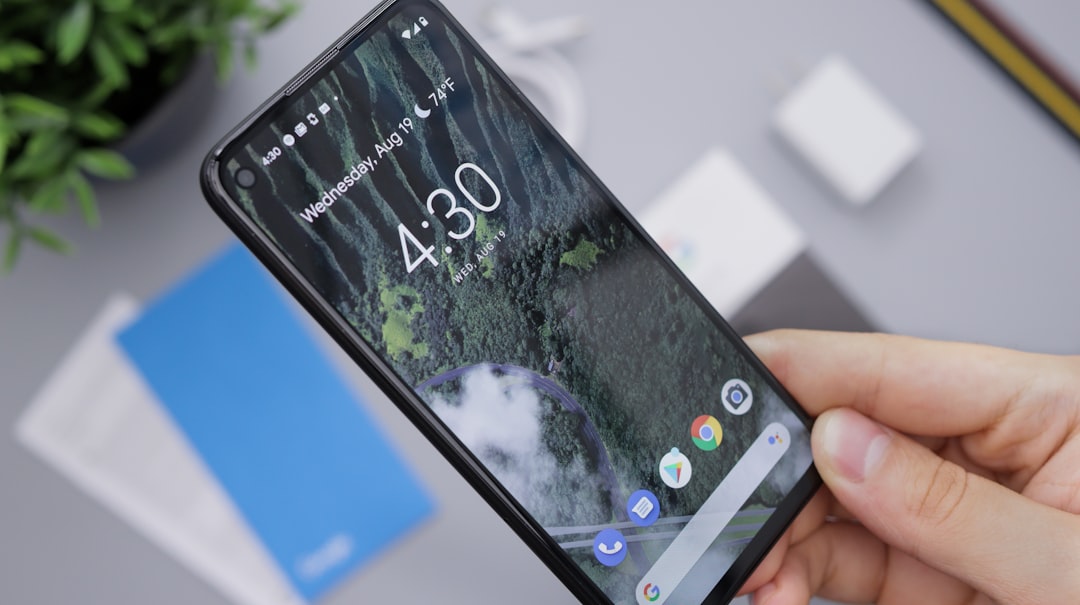
Spam call scams are a prevalent issue, targeting consumers across Massachusetts and beyond. These unwanted calls often aim to trick individuals into sharing personal information or making financial transactions by posing as legitimate businesses or government agencies. Common tactics include pretending to be from a well-known company offering a prize, demanding immediate action due to a perceived emergency, or claiming there's an issue with a recent purchase. Scammers may even use automated dialing systems and artificial intelligence to make these calls more convincing.
To protect yourself from such scams, it's crucial to remain vigilant and cautious. Never provide sensitive data unless you've initiated the contact and verify the caller's identity independently. Check your call history for any suspicious numbers and report them to your service provider or a local Spam Call law firm in Massachusetts. Stay informed about current scams by visiting official government websites and sign up for scam-blocking services offered by your phone carrier.