
Nonprofits in Massachusetts must navigate strict Do Not Call Laws while fundraising. Key takeaways:
1. Understand exemptions for charitable collections, public benefit organizations, and religious groups.
2. Obtain verifiable donor consent before making direct marketing calls using signed forms or digital agreements.
3. Implement robust consent management systems to track communication preferences and maintain trust.
4. Comply with MCPA eligibility criteria (IRS tax-exempt status, proper record-keeping) to avoid significant fines.
5. Train staff/volunteers, maintain meticulous records, and utilize technology for call management to ensure compliance.
6. Respect consumer privacy and document call records thoroughly.
In the intricate landscape of Massachusetts' Do Not Call Laws, nonprofits often find themselves navigating a complex web to ensure compliance while fostering essential community connections. Understanding exemptions for nonprofit calls is crucial for organizations aiming to maintain effective outreach strategies. This article delves into the intricacies of these exemptions, providing valuable insights and practical guidance. We explore how nonprofits can legally engage with Massachusetts residents, ensuring their efforts remain within the boundaries of state regulations while maximizing impact. By unraveling this aspect of tele-marketing, we empower charitable organizations to thrive in a compliant manner.
Nonprofit Exemptions: Understanding Massachusetts Laws

Nonprofit organizations operating in Massachusetts must navigate a unique landscape when it comes to Do Not Call laws. The state has specific regulations in place to protect residents from unwanted telemarketing calls, but certain nonprofit entities are exempt from these restrictions. Understanding these exemptions is crucial for nonprofits aiming to engage with potential donors and supporters effectively while adhering to legal guidelines.
In Massachusetts, nonprofits can claim exemption from the Do Not Call laws if they meet specific criteria set forth by the state's regulations. According to the Massachusetts Attorney General's Office, organizations qualifying for an exemption include those engaged in fundraising activities for charitable purposes, provided they comply with certain requirements. For instance, nonprofits must obtain and verify a donor's consent before making direct marketing calls, ensuring transparency and respect for individual privacy rights. This process involves obtaining verifiable opt-in consent, either through signed forms or digital agreements, to ensure compliance with the state's strict regulations.
Practical implementation of these exemptions requires nonprofits to establish robust consent management systems. Organizations should document and track donor preferences, including their choices regarding communication methods. By prioritizing data accuracy and respecting individual choices, nonprofits can foster trust and maintain positive relationships with supporters while navigating the complexities of Do Not Call laws in Massachusetts.
Do Not Call Rules: Who's Exented in MA Nonprofits?
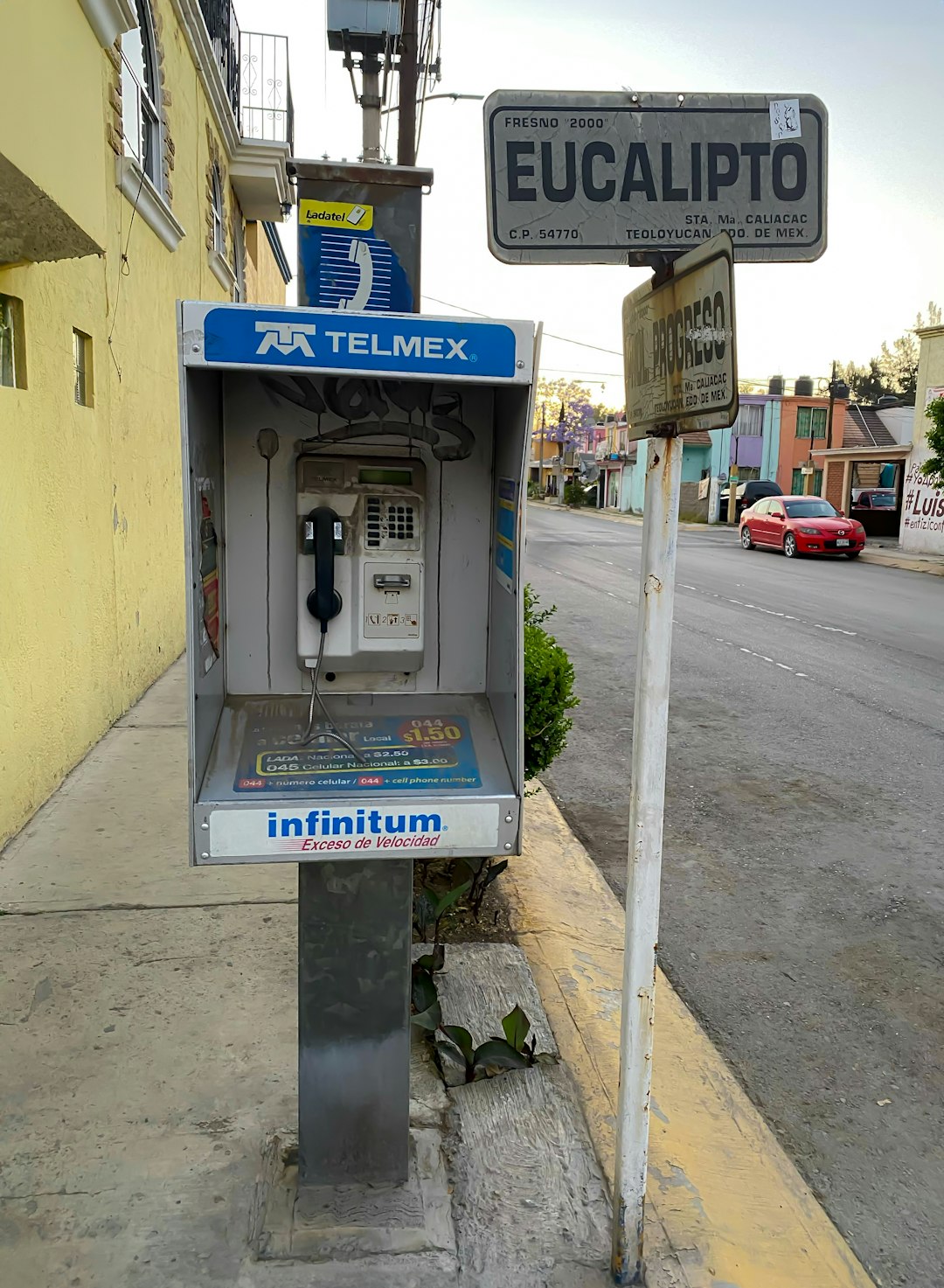
In Massachusetts, nonprofits are subject to strict Do Not Call Laws, designed to protect residents from unwanted solicitation. However, not all organizations fall under these regulations. Exemptions exist for specific types of nonprofit activities, allowing certain groups to reach out to potential donors and supporters without prior consent. Understanding these exemptions is crucial for nonprofits aiming to maximize their outreach efforts while adhering to state laws.
The key exemption lies in the purpose of the call. Nonprofits engaged in charitable collections, public benefit organizations, and those operating under specific legal frameworks are generally exempt from Do Not Call Laws. For instance, religious organizations conducting charitable fundraising or political campaigns can make calls without obtaining individual consent. This includes churches organizing community events and fundraisers, as well as political action committees (PACs) soliciting donations for their causes.
Moreover, nonprofits must ensure their calls comply with data privacy regulations. They should obtain and document valid consent if they use automated dialing systems or prerecorded messages, which are subject to additional restrictions under Massachusetts law. By navigating these exemptions and adhering to best practices, nonprofits can effectively reach out to potential supporters while respecting individual privacy rights.
Navigating Regulations: Exempt Organizations & Their Privileges

Navigating Regulations: Exempt Organizations & Their Privileges
In Massachusetts, nonprofit organizations enjoy certain privileges under Do Not Call laws, allowing them to connect with potential donors and supporters more effectively. These exemptions are designed to balance consumer protection with the crucial fundraising needs of non-profits. To fully leverage these rights, nonprofits must understand and adhere to specific regulations governing their communication practices. For instance, the Massachusetts Consumer Protection Act (MCPA) grants certain nonprofit organizations an exemption from certain restrictions under the state's Do Not Call laws. This exemption permits qualified charities to contact residents who have registered on the state's Do Not Call list for purposes of fundraising or donation solicitations.
However, this privilege comes with stipulations. Nonprofits must ensure they meet eligibility criteria, such as being recognized as tax-exempt by the IRS and adhering to strict record-keeping practices. Failure to comply can result in significant fines. For example, in 2021, a nonprofit was fined $50,000 for making unsolicited phone calls to registered Massachusetts residents despite claiming exemption under the MCPA. This underscores the importance of meticulous compliance.
Practical advice for nonprofits seeking to navigate these regulations includes investing in robust training for staff and volunteers on Do Not Call laws and best practices. Maintaining up-to-date records of donor consent, including opt-out requests, is also vital. Additionally, utilizing technology that tracks and manages calls can enhance compliance efforts while enabling more effective communication strategies. By proactively embracing these measures, nonprofits can maximize their outreach capabilities while respecting consumer choices under Massachusetts' Do Not Call laws.
Massachusetts Guidelines: When Calls Are Permitted for Nonprofits

Best Practices: Respecting Privacy with Nonprofit Outreach